IT'S XIAOTIME!

Naglilingkod sa Diyos at sa Bayan sa pagtuturo ng Kasaysayan

Category: Uncategorized

XIAOTIME, 8 November 2012: TEODORA ALONSO, Ang Dakilang Ina ng Ating Bayaning si Dr. Jose Rizal

Broadcast of Xiaotime news segment yesterday, 8 November 2012, at News@1 and News@6 of PTV 4, simulcast over Radyo ng Bayan DZRB 738 khz AM:

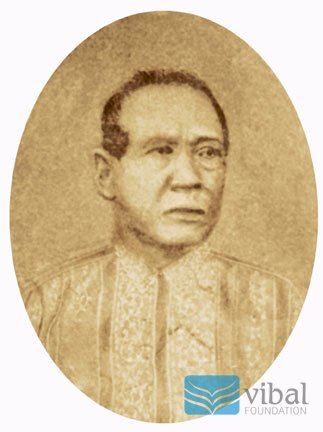
Teodora Alonso de Rizal, larawan mula sa Vibal Foundation

8 November 2012, Thursday:  http://www.youtube.com/watch?v=uKHxATs7-kI&feature=plcp

Makasaysayang araw po, it’s Xiaotime!  Alay po ang segment na ito sa aking mahal na mama na si Vilma Briones Chua.  Kwento ito ng isang ina.  185 years ago bukas, November 9, 1827 isinilang sa Meisic, Maynila si Teodora Alonso Morales Realonda y Quintos.  Siya na nga ang ina ng ating National Hero na si José Rizal, kilala noon sa tawag na Doña Lolay.  Ang ama ni Lolay ay isang dating delegado ng Cortes o ng Senado ng Espanya.  Si Lolay mismo ay nag-aral at nakapagtapos sa paaralang kumbento ng Colegio de Sta. Rosa sa Intramuros.

Colegio de Sta. Rosa sa Intramuros, larawan mula sa Vibal Foundation

Bihira noon ang india na nakapag-aral at may personal na aklatan na may isang libong aklat.  Kaya bilang ina naipasa niya sa kanyang mga anak, lalo na si José Rizal o si Pepe, ang pagmamahal sa kaalaman.  Walang José Rizal na dakilang tao kung walang Doña Lolay.  Labing-isa ang naging anak niya kay Francisco Mercado, wala pang RH noon, ngunit magaling si Lolay sa negosyo.

Francisco Mercado, larawan mula sa Vibal Foundation

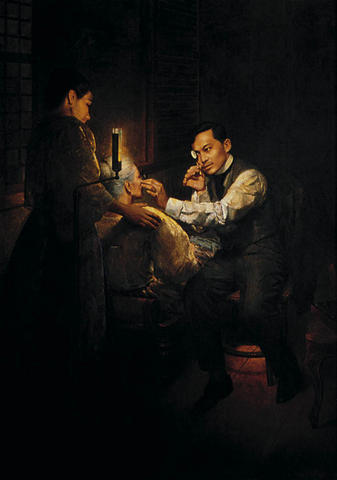
Ang mga pananim ng kanilang plantasyon na nirerentahan sa mga prayle ay kanilang ibinebenta sa isang sari-sari store sa unang palapag ng kanilang bahay na bato sa Calamba, Laguna.  Naging kumportable ang buhay ng pamilya Mercado-Rizal.  Ngunit lumabo ang kanyang mga mata at sinasabing isa ito sa dahilan kung bakit nag-aral si Pepe ng optalmolohiya sa ibang bansa.

Obra na nasa Rizal Shrine sa Fort Santiago, Maynila.

Hindi lamang ang kanyang mata ang pagkawalay sa anak ang ininda niya.  Nakulong siya ng dalawang taon dahil pinagbintangan siyang nilalason ang kanyang hipag.  Binitawan sila ng kanilang mga kaibigang prayle at Espanyol.  Sa edad na 64, pinalakad naman siya mula Maynila hanggang Sta. Cruz, Laguna dahil hindi raw niya ginamit ang tamang apelyido.  Pinalaki niyang maayos ang kanyang mga anak na may pagmamahal sa bayan.  Si Paciano, Josefa at Trinidad halimbawa ay naging mga kasapi ng Katipunan.

Si Lolay at mga anak at apo matapos na mabaril si Rizal, nakapamburol, larawan mula sa Vibal Foundation

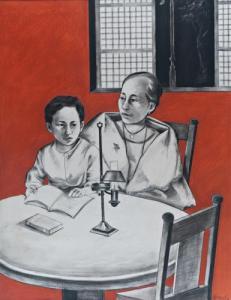
Ngunit noong bata pa si Rizal, pinag-ingat niya rin ito sa ukol sa pagkukuwento ng nangyari sa isang gamu-gamo na nasilaw sa apoy ng karunungan at nasunog sa kabila ng babala ng ina.

Obra ni Benedicto Cabrera

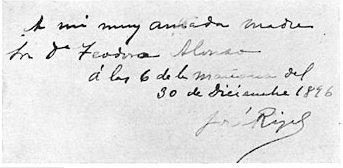
O anong pait sa kanyang puso na makita sa huling pagkakataon ang kanyang anak na si Pepe isang araw bago ito barilin noong 1896, hindi man lamang pinayagan na magyakap sila.  Hindi na kailangan ng salita, tanging nasulat ni Rizal sa huling pagkakataon para sa ina, “A mi muy amada madre…”  “Sa aking mahal na ina, Sra. Da. Teodora Alonso, A las 6 de la mañana del 30 Deciembre de 1896.”

“Sa aking mahal na ina…”  Larawan mula sa facebook page ni Dr. Ambeth Ocampo

Sa kabila nito, nang alayan ng mga Amerikano ng pensyon si Lolay, kanyang sinabi sa kanila, “Ang aking pamilya ay hindi kailanman naging makabayan dahil sa pera.”  Namatay si Teodora Alonso noong 1911.  Ang magsilang at magpalaki ng mga anak na iniaalay sa ikauunlad ng bayan ay kabayanihan.  Ang atin pong mga ina ay mga bayani.  Ako po si Xiao Chua para sa Telebisyon ng Bayan, and that was Xiaotime.

(Andrew Hall, DLSU Maynila, 29 October 2012)

Teodora Alonso habang itinatanghal ang bungo ng kanyang anak na si Jose Rizal, larawan mula sa Vibal Foundation

Larawan mula sa Vibal Foundation

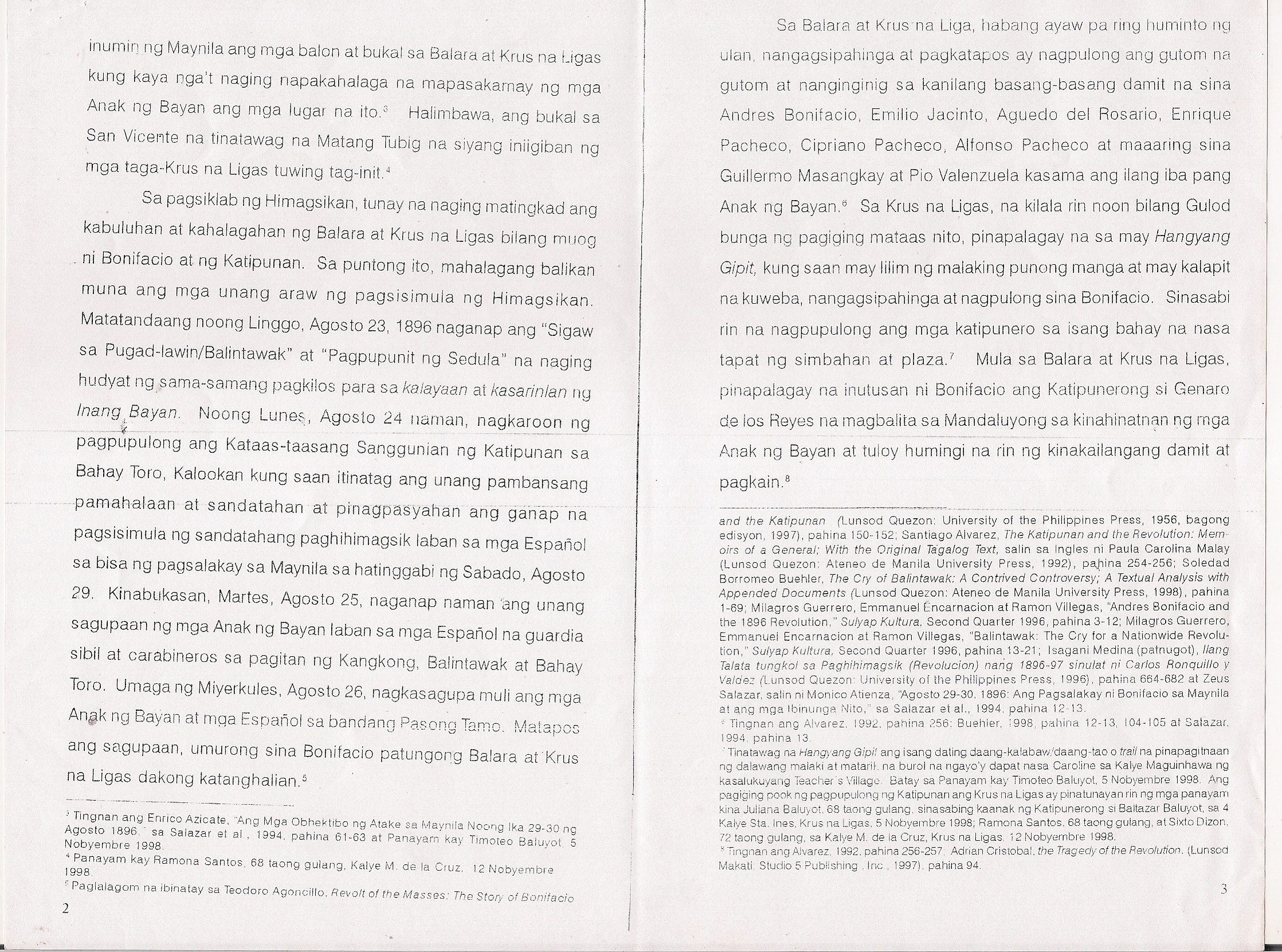
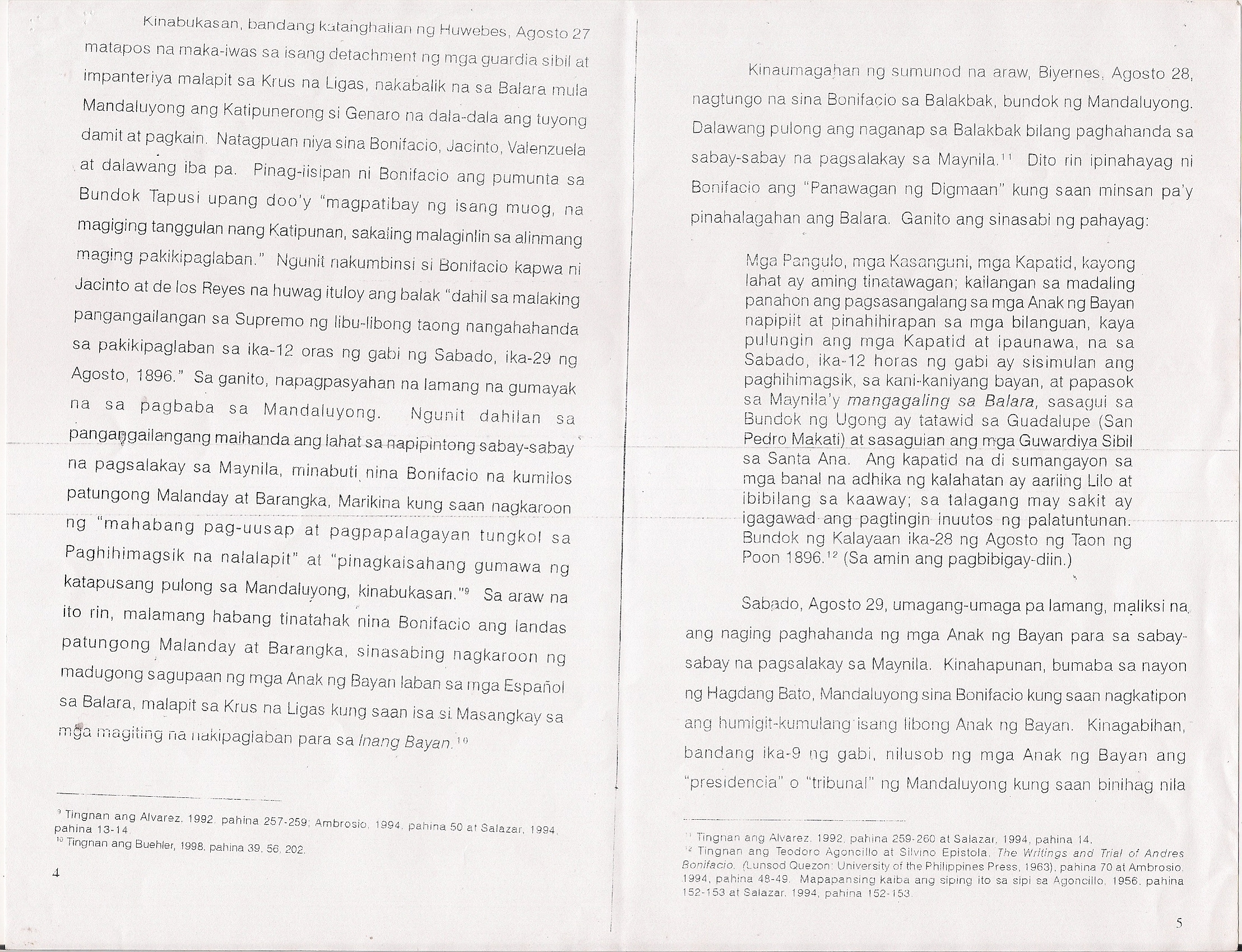
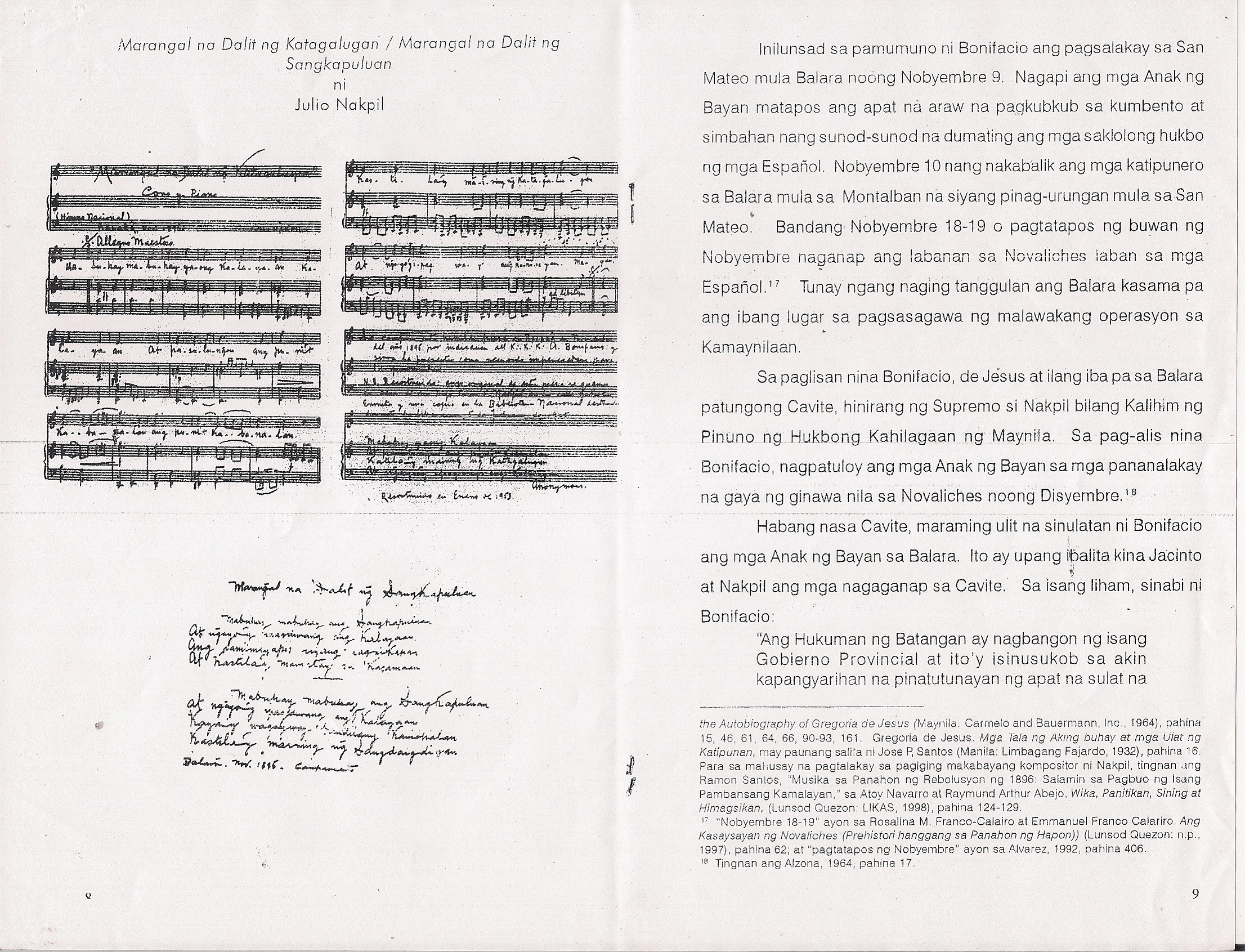
ATOY NAVARRO AND RAYMUND ABEJO: Balara at Krus Na Ligas sa Panahon ng Himagsikan

XIAOTIME, 6 November 2012: KRUS NA LIGAS SA UP DILIMAN, Bahagi ng Ating Kasaysayan

Broadcast of Xiaotime news segment earlier, 6 November 2012, at News@1 of PTV 4, simulcast over Radyo ng Bayan DZRB 738 khz AM:

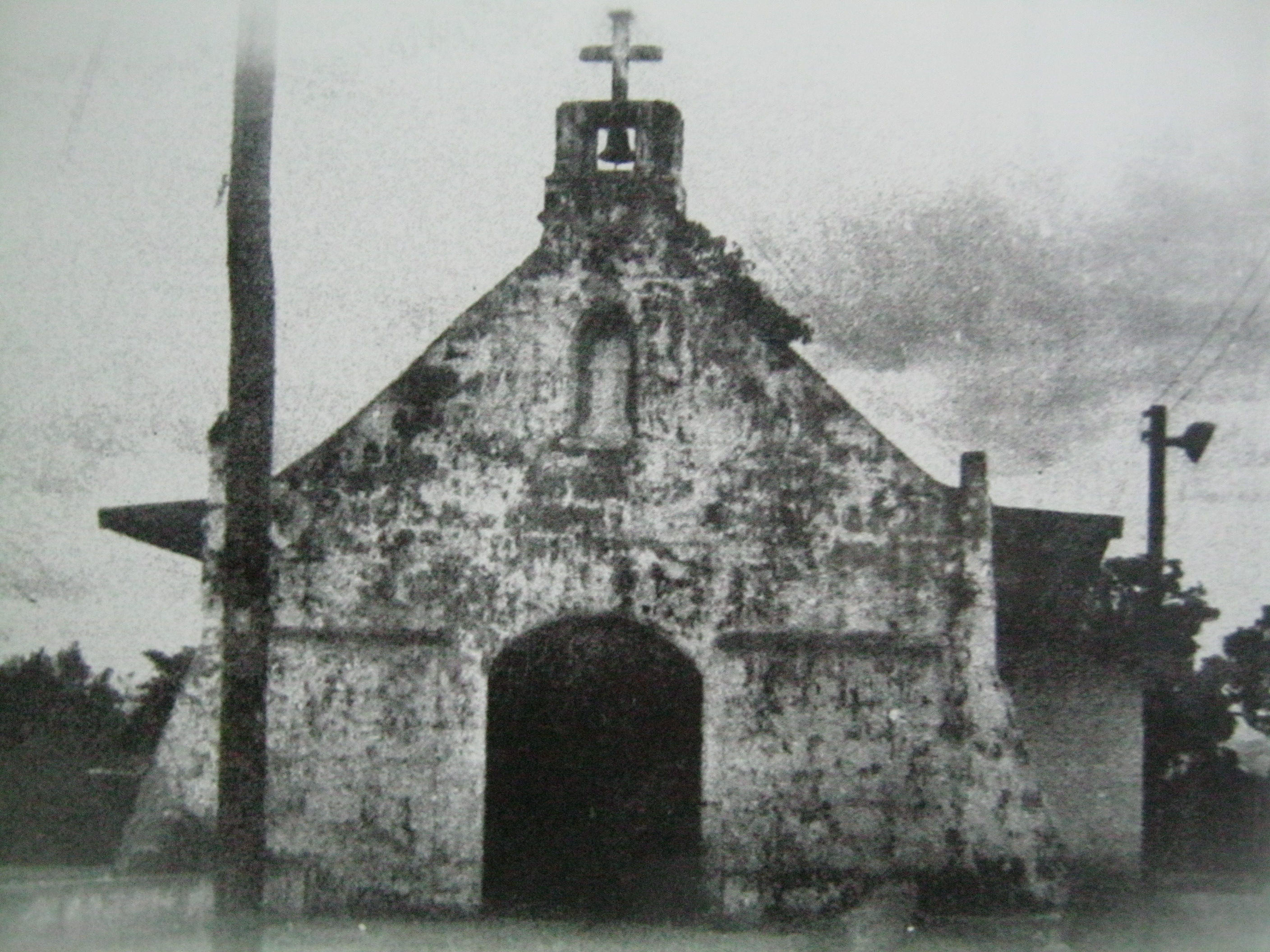
Ang lumang visita ng Krus na Ligas sa Diliman, Lungsod Quezon. Sa kagandahang loob ni Fr. Ron Mariano Roberto.

6 November 2012, Tuesday:  www.youtube.com/watch?v=G_cM7HV-gDE

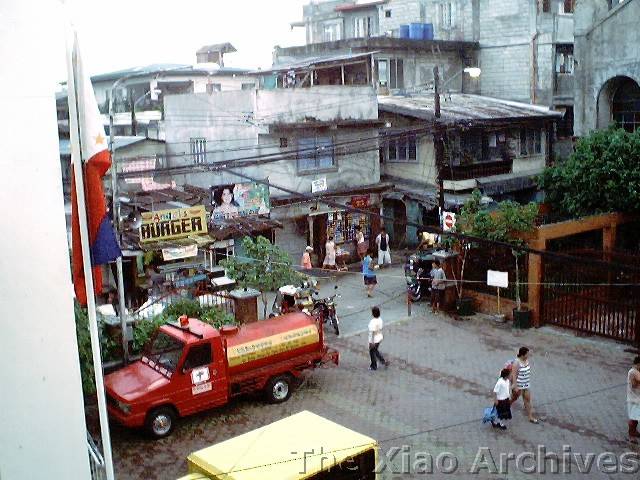
Makasaysayang araw po, it’s Xiaotime!  Ang pamanang kultural ay hindi lamang nasa museo ng mga elitista.  Kahit sa mga lugar na dinadaan-daanan natin nariyan ang pamana.  Ang kultura at pamumuhay sa ating mga maliliit na barrio at barangay ay karapat-dapat ring pangalagaan.  Ito ang kwento ng Krus na Ligas sa UP Diliman, Quezon City.  Ilang buwan noong 2005, tumira ako sa gusali ng mga Fajardo sa Plaza Sta. Ines ng Krus na Ligas, o para sa mga UP students, KNL Heights.  Dito ako kumakain ng burger gabi-gabi, nakikita ang huntahan ng mga tao.  Hanggang ngayon, kapag nagugutom ako sa gabi, lumilipat barangay ako at ang pumapawi ng aking gutom ay ang mga tindahan ng plaza ng KNL.

Plaza Sta Ines, 2005. Kuha ni Xiao Chua.

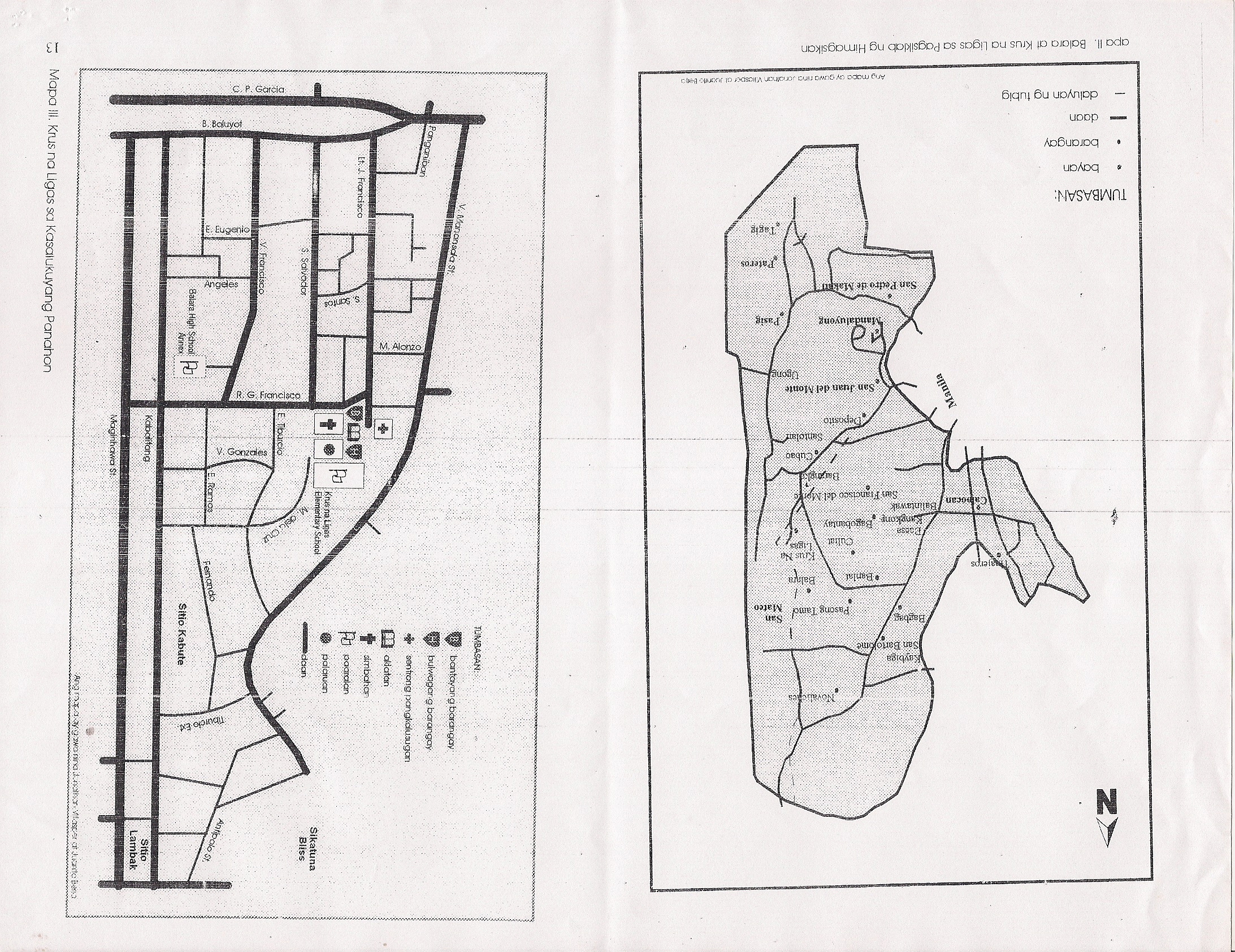
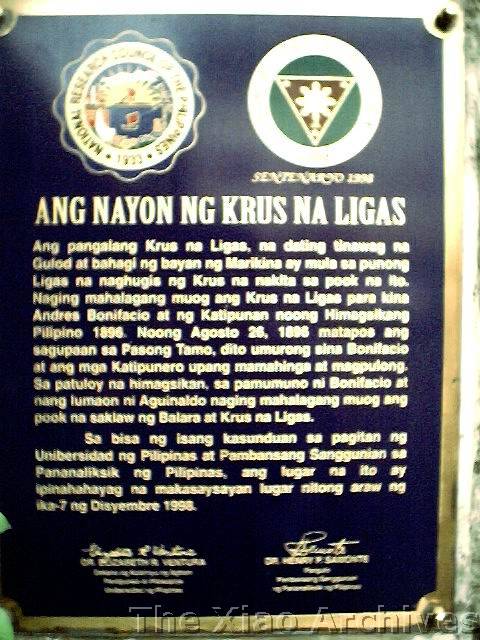
Ang dating pangalan ng Krus na Ligas ay Gulod.  Noong panahon ng Espanyol, visita ito ng mga pari ng Marikina kaya nagkaroon dito ng isang matandang kapilya at plaza.  Ang Gulod, Balara at Diliman noon ay magubat at may mga bukirin.  Ayon sa kuwento ng mga matatanda, sa isa sa mga bahay na nasa tapat ng simbahan at plaza nagpupulong ang Katipunan.  Hindi ito nakapagtataka sapagkat ang Gulod at Balara ayon sa mga historyador na sina Atoy Navarro at Raymund Abejo ay pinagrealan o pinagkutaan ni Bonifacio dahil sa pagiging masukal nito.  Noong katanghalian ng August 26, 1896, matapos ang pangalawang laban ng himagsikan sa Pasong Tamo o Tandang Sora nagtungo sa Gulod sina Andres Bonifacio, Emilio Jacinto, Guillermo Masangkay, Pio Valenzuela at iba pang Katipunero, “habang ayaw pa ring huminto ang ulan, nangagsipahinga at pagkatapos ay nagpulong ang gutom na gutom at nanginginig sa kanilang basang damit.”  Mula sa KNL itinuloy nila ang himagsikan patungong Pinaglabanan.  Nang umatras si Aguinaldo mula sa Cavite, pinaniniwalaang tinanggap din siya ng real ng Krus na Ligas.

Ang marker ng UP ukol sa kasaysayan ng Krus na Ligas na ibinatay sa pananaliksik nina Atoy Navarro at Raymund Abejo.  Nakalagak sa harapan ng Simbahan ng Krus na Ligas.

Sa loob ng mahigit isang siglo, ang plaza ng makasaysayang barangay ay naging pook ng paglalaro ng mga bata, ng sama-samang pakikinig sa radio sa dapithapon, ng pagliligawan ng mga magsing-irog.  Nitong nakaraang mga araw, sinimulan nang patayuan ng Sangguniang Barangay ng extension ng Barangay Hall ang maliit na plaza, na magbubura nito sa mapa.

Plaza Sta. Ines, 2012. Kuha ni Xiao Chua.

Higit tatlong libo ang lumagda upang mapatigil ito ngunit tila ayaw makinig ng kinauukulan.  Noong 28 Oktubre, tumungo kami nina Juana Change, Carlos Celdran, ang Anti-Epal Movement at ang DAKILA upang samahan ang mga tila nawalan ng kapangyarihan na mga mamamayan ng KNL upang patuloy na makiusap.

Si Juana Change at ang mga Krusians, 28 October 2012. Si Xiao Chua ay nasa entablado sa bandang likuran. Larawan mula sa Philippine Daily Inquirer.

Kinabukasan, nagpahayag ang Chair ng National Historical Commission, ang aking naging guro ko na si Dr. Maris Diokno, na ipatigil ang pagtatayo ng barangay hall.  Nakinig din ang lokal na pamahalaan sa isang People Power.  Sabi nila, wala raw pakialam ang tao sa pamana.  Ngunit sa KNL, ipinakita ng mga ordinaryong mamamayan tulad ng 85-year-old na si Lola Francisca Dizon na hindi nila hahayaang mawala ang isang lugar na naging bahagi na ng kanilang buhay.

85-year-old na si Lola Francisca Dizon kasama si Mae Paner aka Juana Change: “Kaya kong mamatay para sa Krus na Ligas… Dito na ako nagkamulat sa Krus na Ligas, ang bilin sa akin ng aking mga magulang ay ingatan ang simbahan at ang Plaza.” Mula sa fb page ni Mae Paner.

Masasabi na nila sa mga apo nila, “isa ako sa nakipaglaban para manatili ang plaza para sa inyo.”  Krusians, tagumpay natin ito!  Ako po si Xiao Chua para sa Telebisyon ng Bayan, and that was Xiaotime.

(Andrew Hall, DLSU Maynila, 29 October 2012)

Si Juana Change, Carlos Celdran, Xiao Chua, Fr. Ron Roberto (tagapanguna ng kampanyanat Parish Priest ng Krus Na Ligas) kasama ang Anti-Epal Movement at DAKILA. Kuha ni Nap Beltran.

Mula sa fb page ni Mae Paner.

Mula sa fb page ni Mae Paner.

Mula sa fb page ni Mae Paner.

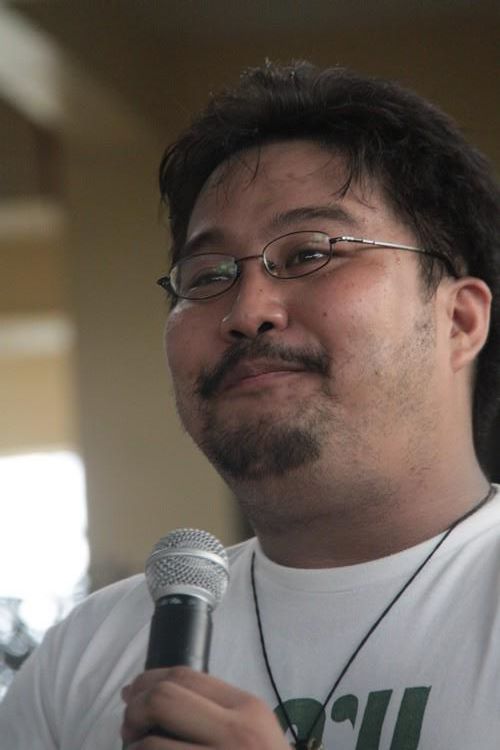
Xiao Chua nagsasaysay ng kasaysayan ng Krus na Ligas, kuha ni Nap Beltran

XIAOTIME, 5 November 2012: CESAR CLIMACO, Isang Makulay na Personalidad sa Ating Makabagong Kasaysayan

Broadcast of Xiaotime news segment yesterday, 5 November 2012, at News@1 and News@6 of PTV 4, simulcast over Radyo ng Bayan DZRB 738 khz AM:

Mayor Cesar Climaco, kuha ni Carl Kuntze.

5 November 2012, Monday:  http://www.youtube.com/watch?v=4YxTr7vnO6s&feature=plcp

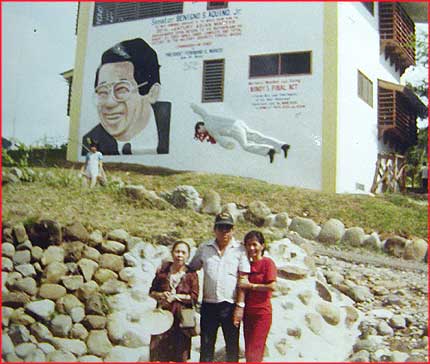
Makasaysayang araw po, it’s Xiaotime!  Alay po ang episode na ito sa isang bagong History organization sa Western Mindanao State University sa Zamboanga City, ang Histourists.   Sana huwag kayong magpaawat sa pagtataguyod ng kasaysayan!  Tungkol sa bayan ninyo ang episode na ito.  Ngayon, wala nang hindi nakakakilala kay Jesse Manalastas Robredo, ang malinis at simpleng dating Secretary ng Department of Interior and Local Government na nag-angat sa Naga upang maging isa sa mga pinakamaunlad na lungsod sa Pilipinas habang nagwawalis mismo ng kalsada at naglalaro ng basketball kasama ng mga kabataan.  Para sa kanyang “new brand of leadership that privileges accountability, transparency, effective city management and governance” ginawaran siya ng Ateneo de Zamboanga University noong 2008 ng Mayor Cesar Climaco Award.  Cesar Cortez Climaco, huh??? Who’s that Pokemón???  Siya ang maituturing na Jesse Robredo ng kanyang panahon.   Si Cesar ay isinilang noong 1916 at nagtapos ng pag-aabogasya sa Unibersidad ng Pilipinas bago magsimula ang digmaan.  Habang nag-aaral, umekstra rin na naging janitor ng Court of Appeals.  Unang inatasang maging mayor ng Zamboanga City noong 1951 at nahalal ng maraming beses sa iba’t ibang panahon.  Sumama siya sa Operation Brotherhood ng Jaycees at tumulong sa mga sinasalanta ng Digmaang Vietnam, naging Komisyunado rin siya ng Customs.  Nang ipataw ang Batas Militar noong 1972, nagpatapon ng Amerika at sinabi niya na hindi magpapagupit hangga’t hindi nagtatapos ang diktadurang Marcos, ala Macario Sakay!  Bumalik sa Pilipinas noong 1976 at nagbalik bilang alkalde ng Zamboanga noong 1980.  Hindi suhol kundi kendi ang bigay niya sa mga bata na sasalubungin siya habang sakay ng kanyang motorsiklo.  Laging isinisigaw at kinakanta ng mga bata ang kanyang pangalan.  Naging maganda rin ang pakikitungo niya sa mga kapatid nating Muslim.  Ngunit tinuligsa niya kawalang aksyon ng mga pulis at militar, may scorecard siya sa labas ng City Hall ng mga hindi nalulutas na krimen at siya mismo ang rumeresponde sa mga mararahas na pangyayari, tinatakot ang mga siga, dinidis-armahan ang mga pulis na natutulog on duty.  Pero ayaw niyang magdala ng baril at at mga bodyguard.  Sa kabila ng pagiging kritiko niya kay Marcos, naaanyayahan pa siya sa Palasyo sapagkat napapatawa niya ang presidente.  Ngunit noong mapaslang ang kaibigan niyang si Ninoy Aquino, nagpatayo siya ng monumento sa pader para dito na may nakalagay na si Ninoy ay pinaslang sa ilalim ng panguluhan ni Ferdinand E. Marcos—Son of Batac (SOB).

Monumento ni Ninoy Aquino na itinatag ni Mayor Cesar Climaco, mula sa mga koleksyon ng larawan ni John L. Shinn, III ng LA Zamboanga Times.

28 years ago sa susunod na linggo, Nobyembre 14, 1984, bago rumisponde sa isang sunog, nakita niya ang ilang kabaong sa isang punerarya at sinabing, “Ireserba niyo ang isa para sa akin.”  Sa pook ng sunog, pauwi na si Climaco at sumakay na ng kanyang motorsiklo nang bigla na lamang siyang binaril.

Si Cesar Climaco sa loob ng kanyang kabaong, mula sa mga koleksyon ng larawan ni John L. Shinn, III ng LA Zamboanga Times.

Namatay si Cesar Climaco na naglilingkod sa bayan, inilibing na bayani ng kanyang mga kababayan.  Sana hindi natin makalimutan si Cesar Climaco, bayani na, cool pa.  “Ai si Cesar, ai si Cesar, ai si Cesar Climaco, maskin byeho pero macho, ai si Cesar Climaco!”  Ako po si Xiao Chua para sa Telebisyon ng Bayan, and that was Xiaotime.

(North Conserve, DLSU Manila, 29 October 2012)

Nilibing na bayani sa Mayor Climaco, mula sa mga koleksyon ng larawan ni John L. Shinn, III ng LA Zamboanga Times.


XIAOTIME, 2 November 2012: ANG PAGBITAY KAY HERMANO PULE

Broadcast of Xiaotime news segment last Friday, 2 November 2012, at News@1 and News@6 of PTV 4, simulcast over Radyo ng Bayan DZRB 738 khz AM:

Apolinario de la Cruz a.k.a. Hermano Pule, larawan sa kagandahang loob ni G. Ryan Palad

2 November 2012, Friday:  http://www.youtube.com/watch?v=4GCg7HOks04&feature=plcp

Makasaysayang araw po, it’s Xiaotime!  Alay po ang episode na ito kay G. Ryan Palad, Direktor ng GSIS Museum at ng Tayabas Studies Center.  171 years ago sa Linggo, November 4, 1841, binitay ng mga Espanyol ang relihiyosong si Apolinario de la Cruz a.k.a Hermano Pule.  Paano nangyari ito?  Si Hermano Pule ay isang lay brother ng Ospital ng San Juan de Dios na nagpakita ng kagustuhan na maging isang pari.

Ospital ng San Juan de Dios sa loob ng Intramuros, ngayon ay nasa sayt ng Lyceum of the Philippines.

Hindi siya pinahintulutan at tinanggal pa sa ospital.  Kaya noong 1832, itinatag niya ang Cofradia de San José, isang “kapatiran” na indio lang ang puwedeng sumali.  Karamihan ng mga kasapi nito ay mga magsasaka at naging alternatibo sa relihiyong Espanyol, na madalas mang-api sa kanila.  Mula sa headquarters nito sa Bundok Banahaw, nagkaroon sila ng malawak na ng kasapian sa Tayabas, Laguna at Batangas.  Sa paglakas ng samahan napraning ang mga Espanyol sa kabila ng paghiling niya na kilalanin ng pamahalaan at simbahan ang kanyang kasapian sa tulong ng Espanyol na ipinanganak sa Pilipinas na si Domingo Roxas, ang nagtatag ng Roxas y Cia na ngayon ay Ayala Corporation.

Domingo Roxas

Itong si Domingo ay isang pasaway na creole, sinuportahan ang Andres Novales Revolt at sila ni Pule ang dalawa sa unang nagsulong ng nasyunalismo sa Pilipinas, nauna pa kay Rizal!  Ang chaplain o capellan ni Hermano Pule ay pari din ni Roxas!  Noong Oktubre 1841, sinalakay ng mga Espanyol ang Cofradia.  Inipon ni Pule ang apat na libong mga kasapi sa Alitao at matagumpay na nakipaglaban sa mga Espanyol, ngunit nang dumating ang mga reinforcements na Espanyol, walang awa nilang minasaker ang mga matatanda, mga babae at mga bata na kasama nila Pule.  Nahuli si Pule sa Barrio Guibanga at hinatulang mamatay sa Casa Tribunal ng Tayabas.

Casa Tribunal ng Tayabas, pinaglitisan kay Hermano Pule.

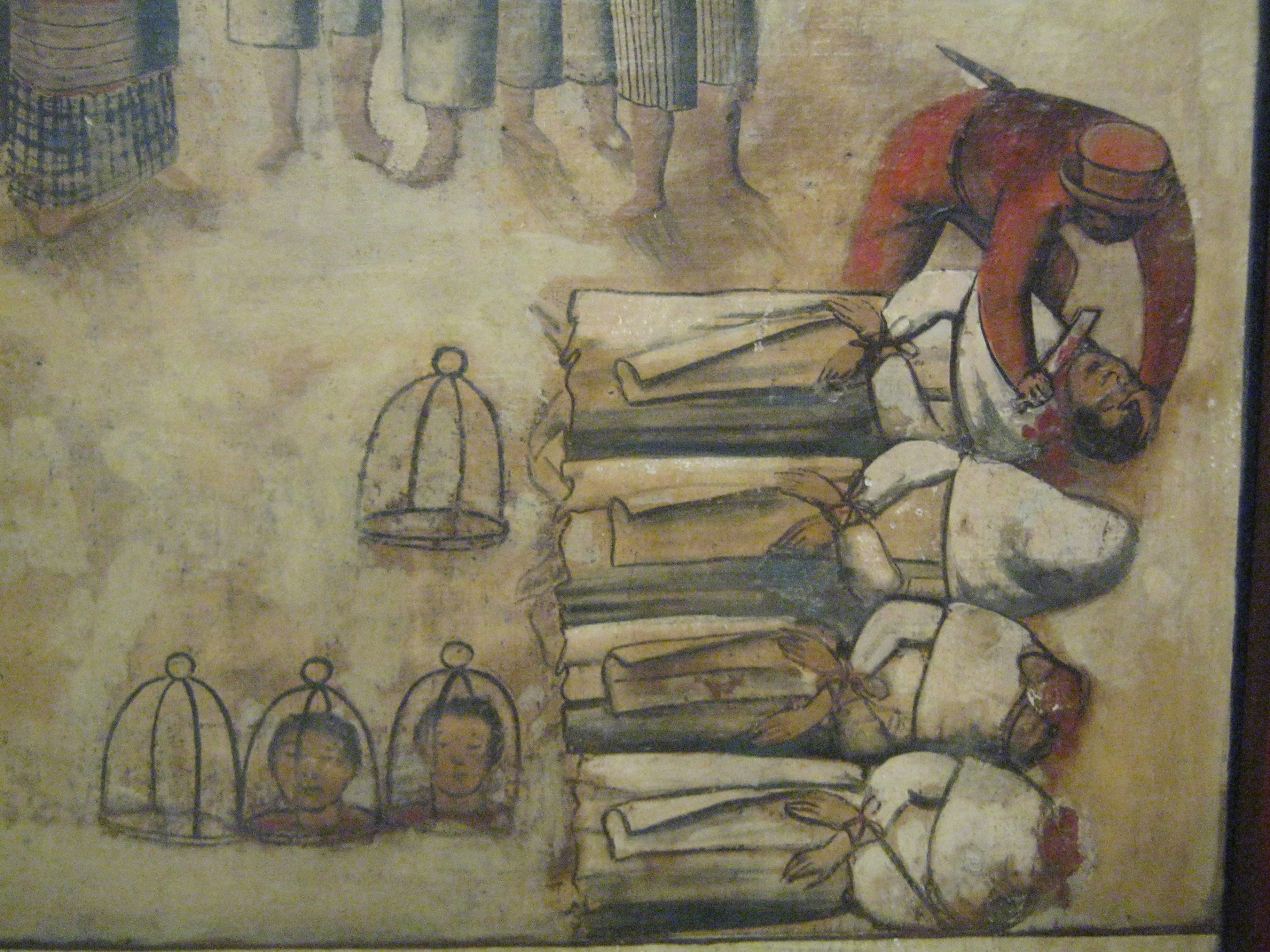
Matapos siyang barilin sa edad na 26, ang katawan niya ay kinwarter o pinaghati-hati, inilagay sa mga kawayan at ibinandera sa mga lugar na madaling makita upang maging warning sa mga nag-iisip na mag-alsa.

Quartering, paghahati-hati ng katawan. Paglalarawan ng ginawa sa mga pinuno ng Basi Revolt noong 1807 na ipininta ni Esteban Pichay Villanueva, ngayon ay nakasabit sa Pambansang Sinupan ng Sining ng Pambansang Museo ng Pilipinas.

Nakulong naman si Domingo Roxas dahil sa pag-aalsa ni Pule at noong 1843 sumalakay naman ang rehimiyentong Tayabas sa Fort Santiago, sinasabing may kinalaman din siya dito.  Ang kaibigan ni Pule na si Domingo Roxas ay namatay sa Fort Santiago noong 1843, hindi na inabutan ang perdon na naihingi para sa kanya sa Espanya ng kanyang panganay na anak na si Doña Margarita Roxas de Ayala.  Ilang bagay ang ipinapakita sa atin ng pag-aalsa ni Hermano Pule:  Hindi natulog ang mga Pilipino sa dilim ng 333 years na pananakop ng mga Espanyol, isa lang ang pag-aalsa ni Pule sa kulang-kulang 200 pag-aalsa na naganap.  At sa ating mga pakikibaka para sa kalayaan, magmula sa pag-aalsa ng mga babaylan sa Visayas, pag-aalsa ni Pule, sa Katipunan, at sa Rebolusyong EDSA, hindi nawawala ang ating ugaliu na kumapit sa Maykapal upang ipaglaban ang ating bayan.  Ako po si Xiao Chua para sa Telebisyon ng Bayan, and that was Xiaotime.

(Andrew Hall, DLSU Manila, 25 October 2012)

JOHN LENNON: Most Influential Performer, 2 November 2000

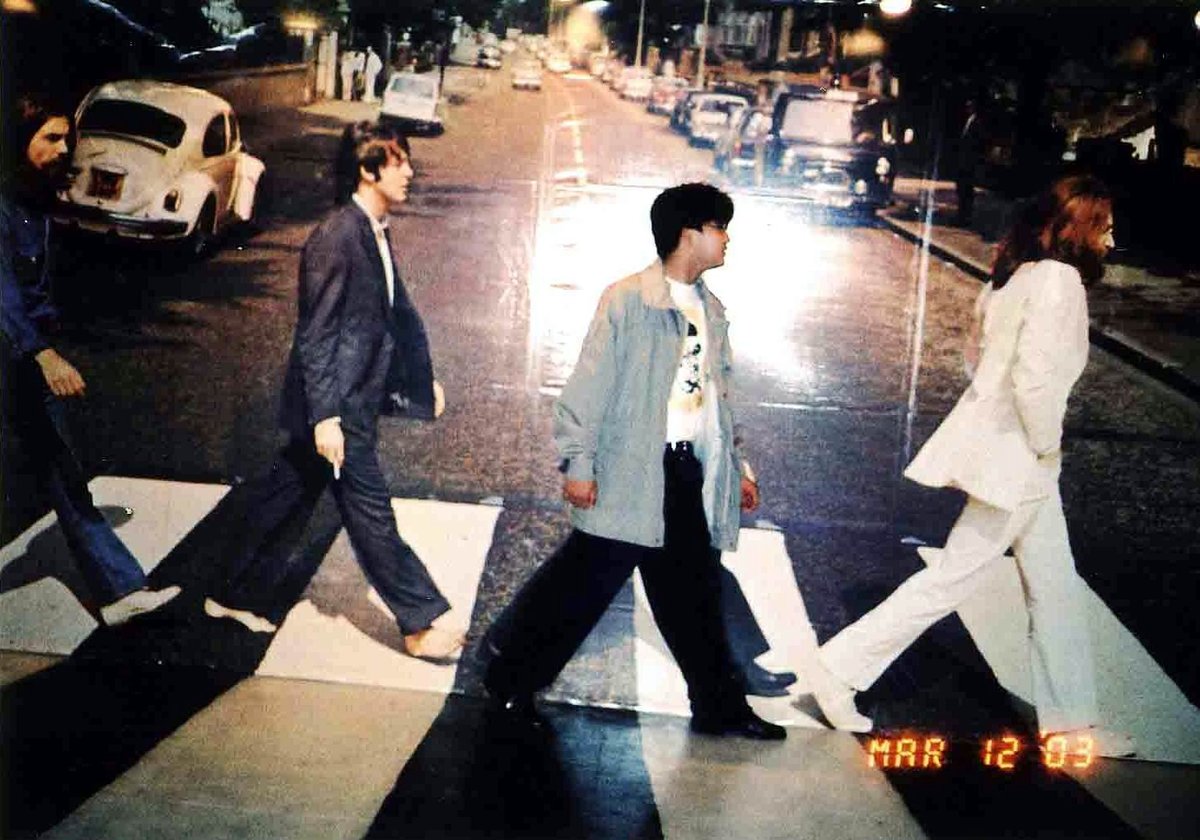
Xiao and Lennon, 2002

Personally, John Lennon is really the most influential performer in the tribute episode for classic MTV last 1 November. John Lennon and The Beatles received most of the screams from people who were really going nuts and were dancing with their music. Also, The Beatles were one of the pioneers when rock and roll was still young Lennon’s songs such as “Strawberry Fields Forever”, “Come Together”  and the LP “The Beatles” (White Album) were so innovative their style still persists up to now despite of being classics. The young generation who never really knew the Beatles still appreciates their songs and contemporary artists are used to reviving their songs. The Beatles were timeless and influential until now, and this is mainly attributed to “The Guiding Spirit of The Beatles”, .John Lennon.

After the break-up of the Beatles in 1970 emerged the real John Lennon, an advocate of peace. In his song “Imagine”, he united the world against the Vietnam War. Unfortunately, we lost John Lennon in 1980, but in his death, people literally came together right then over him!

But definitely, his most important contribution to the world through his music is how he is touching people’s lives even today, and I’m proud to say I was one of those million lives!

In November of last year, when I was so depressed, a friend of mine, Mayo, made me listen to the Beatle song “Hey Jude”. And that was the start of it. God gave me The Beatles to turn on to. And their songs of love, anger and rebellion became my output. Listening to Beatle song made me feel calm, relax, almost a tranqul1izer! The Beatles were there for me in my lowest. Praise God! I became a Beatlemaniac, and I’m so proud I’m one! Sorry if I’m getting emotional.

And Lennon became an example for me of the joy of becoming yourself. Even how weird his likes and his ways were, he just went on, never minding his critic. As long as he doesn’t hurt anybody. I knew myself very well, it’s because I know Lennon. It’s cool to be you.

John Lennon is said to have contributed much to the world, not merely because of his pioneering achievements, but because of the millions of lives he had touched through the years.

-2 November 2000

Encoded by Mr. Ronnie Amuyot of the University of the Philippines, 2007

13th ANNIVERSARY: THE DAY I MET THE BEATLES, 4 November 1999

Image

“Big bastards, that’s what the Beatles were. You have to be a bastard to make it, that’s a fact, and the Beatles are the biggest bastards on Earth.”

-John Lennon

It was a Thursday morning in the computer room. We weren’t doing anything so Mayo played a cassette tape. Good for us Mayette brought to school her player.

Bored, Mayo thought of listening to the tape, he told me I’ll gonna like the music. So he introduced the song which was “Hey Jude!” and I was reminded of the days when my dad and my uncles were singing the song on videoke.

And I listened to the other songs which I’m familiar but never knew that they were sung by The Beatles…

And boom! The doors were opened for me!

Before that Thursday morning, all I knew of the Beatles was that they were the f%!ing band that dishonored the Lord by John Lennon saying, “We are more popular than Jesus Christ!”. And as I heard from Rod Navarro, this was the reason why the fab four disbanded and eventually, Lennon was shot dead. They were punished by God.

I became lured to the beauty of their songs, finding them very witty and cheerful. Cheerful enough to make me really smile again after a failure of not really trying to win Johanna, whom I admire so much at that time. In my frustrations, I had goose-bumps listening to their hits.

That Thursday, we were only half day in our classes. I remained in school with Mayo listening and relaxing again and again in the tune of the Beatles.

And the Beatles hit me! And literally changed me! Their music helped me know myself better, to know what I really like and what I really wanna do. The Beatles were sent to me by God to make me feel it’s cool to be different and be you.

I love the Beatles because in their music, I felt I was loved for in the depths of my desolation, I have nothing to turn to but The Beatles.

You don’t know what it means to me…

Exactly one year since, Beatlemania still persists in me.

I’m still proud to be a Beatlemaniac

There came a time when I realized that I have all their releases except for one! But why did I spend all my money for their recordings.

Because they make me feel better, always make me feel so free…”Free as a Bird!”

For the reason they persist and could penetrate even to a new generation of listeners, is simply because of the fact that their lyrics and tune could relate to feelings and emotions of love or anger, of happiness or, loneliness, of every feeling of every man.

They became innovative in their music, way ahead of their time. They weren’t afraid to be themselves, and they weren’t afraid to change. That’s why the young still dig their songs. There were songs for the conservative, for the rocker, for the eccentric. In their only eight years of their reign, they gone from, “I want to hold your hand” to “I’d love to turn you on.”

So whatever their histories were, be it good or bad; be it of hardwork or pride; be it of love or hate; what is important is their music pulled me from the mud, and I never became the same again. For me, they’re still God’s instruments. For in everything there is a reason. The Beatles literally took a sad song, “And make it better…”

“Peace and Love” to everyone!

4 November, 2000

The Diary of Michael Chua

Encoded by Mr. Ronnie Amuyot of the University of the Philippines, 2007

XIAOTIME, 1 November 2012: ANG BANGANG MANUNGGUL

Broadcast of Xiaotime news segment yesterday, 1 November 2012, at News@1 and News@6 of PTV 4, simulcast over Radyo ng Bayan DZRB 738 khz AM:

Ang disenyo ng Bangang Manunggul. Kuha ni Xiao Chua.

1 November 2012, Thursday:  http://www.youtube.com/watch?v=KkzWed7pTpE&feature=plcp

Makasaysayang araw po, it’s Xiaotime!  Ipinagdiriwang natin ngayon ang pista ng mga patay na isinakristiyano at ginawang Todos Los Santos, All Saints Day.  Kumbaga, ang ating mga namatay na ninuno ay itinuturing na rin natin na mga santo na nasa langit kasama ng Panginoon.  Ngunit ano naman ang paniniwala ng ating mga ninuno ukol sa kabilang buhay?  Noong 1964, natagpuan sa Kuweba ng Manunggul, Tabon Cave Complex, Lipuun Point, Quezon, Palawan ang isang libingang banga ng mga sinaunang Pilipino na nabuhay noong tinatayang 710 B.C.  Katibayan ito ng ating paglilibing sa sekundaryang mga burial jar, o yung buto-buto na lamang ang nakalagay na katulad ng mga natagpuan noong 1991 sa kweba ng Maitum sa pagitan ng Timog Cotabato at Saranggani na ang itsura ng bawat isang mukha ay katangi-tangi at hindi magkakahalintulad.

Si Xiao sa harap ng isa sa mga banga na natagpuan sa Kweba ng Ayub na kamukha ni Dennis Rodman.

Ang Manunggul Jar ang tila pinakamatandang likhang sining sa Pilipinas!  Ayon kay Robert Fox ang banga sa kanyang disenyo ay “unrivalled in Southeast Asia; the work of an artist and master potter.”  Sinasalamin ng disenyo ang sinasabi sa ating mga oral traditions.  Dahil sa tayo ay isang martime culture, nakikita natin ang ating mga kaluluwa kapag namatay na sumasakay sa isang bangka at dumadaan sa dagat na may kasamang abay.  Ang fetal position ang makikita sa kaluluwa sapagkat sa ganito inaayos ang kanilang mga patay.  Kaya ang ibang representasyon din ng mga ninuno natin na namatay, o mga anito, ay nasa ganitong ayos, lalo na ang Bullol sa Ifugao.

Bullol sa Ifugao, pansinin ang pose niya sa pose ng kaluluwa sa bangang Manunggul… Amazing! Sa kagandahang loob ng Pambansang Museo ng Pilipinas.

Ang mga anito ay nagbabalik sa kalikasan, sa mga bundok, mga bato, mga puno, sa lupa, upang bantayan ang kanilang mga naiwan.  Tinatawag din silang mga nuno o ninuno.  Maging ang mga bangka na gawa sa kahoy ay may kaluluwa rin at ang ebidensya nito ay matatagpuan sa disenyo ng Bangang Manunggul.  Kaya naman malaki ang paggalang ng mga sinaunang Pilipino sa kalikasan bilang tahanan ng ating mga ninuno, nagtatabi-tabi po, hindi basta-basta pinuputol ang mga puno, at hindi winawasak ang kapaligiran.  Marami ang yumakap sa katolisismo hindi dahil madali silang nauto kundi dahil may mga elemento ang bagong paniniwala na nasa dati nang paniniwala, tulad ang mga santo, pinapahiran din ng panyo at dinadasalan tulad ng mga anito.  Hindi po ibig sabihin na kapag sinabing bumalik tayo sa diwa ng kultura ng ating mga ninuno ay maniwala tayo ulit sa anito o maglibing ulit tayo sa banga, ngunit gawin nating huwaran ang values ng sinaunang paniniwala sa kabilang buhay.  Na ang lahi natin ay nagpapahalaga sa kalinisan ng puri at sa pagiging makakalikasan.  Ako po si Xiao Chua para sa Telebisyon ng Bayan, and that was Xiaotime.

(Andrew Hall, DLSU Manila, 25 October 2012)

Basahin ang papel ni Xiao ukol sa mga pamanang arkeyolohikal sa Pilipinas

Chua – Banga Bangka Bangkay (Sinaunang Pilipino)

Supplement:  Mga papel ni Dr. Bernadette Abrera ukol sa konsepto ng Kaluluwa at kaugnayan nito sa bangka sa mga Sinaunang Pilipino

Abrera – Bangka Kaluluwa at Katutubong Paniniwala

Abrera – The Soul Boat and the Boat-Soul

XIAOTIME, 31 October 2012: KALULUWA at ang Kahulugan ng ‘Halloween’

Broadcast of Xiaotime news segment two days ago, 30 October 2012, at News@1 and News@6 of PTV 4, simulcast over Radyo ng Bayan DZRB 738 khz AM:

Diagram ng tambalan sa panloob: kaluluwa sa utak at ginhawa sa atay. Mula sa blog ni Sophia Marco.

31 October 2012, Wednesday:  http://www.youtube.com/watch?v=jPcpBti9oPo&feature=plcp

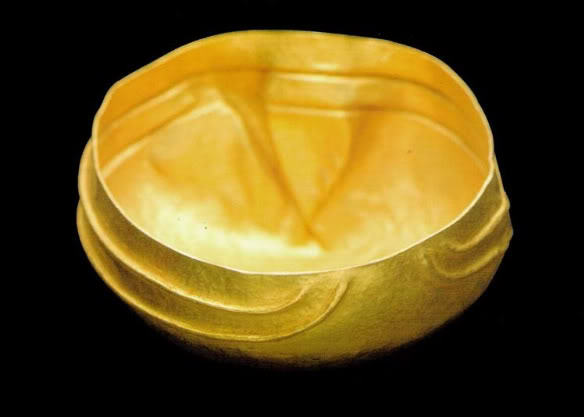
Makasaysayang araw po, it’s Xiaotime!  Dalawang linggo na po ang nakalilipas nang aking talakayin ang tungkol sa ginto ng ating mga ninuno na nagpapakita na may kultura na ang mga sinaunang Pilipino bago dumating ang mga dayuhan.  Pwede na nating sabihin sa sarili natin na kung “born with silver spoons” ang mga dayuhan, “eating in golden bowl” naman ang ating mga ninuno.  Astig di ba?

Gintong mangkok ng ating mga ninuno na nakadisplay sa Ayala Museum.

Ngunit ang ginto ay hindi lamang bling-bling ng ating mga ninuno, ito rin anting-anting o proteksyon ng kaluluwa.  Pinag-uusapan natin ang kaluluwa.  Ngayong araw na ito, October 31, ipinagdiriwang natin ang Halloween.  Nagmula ito sa salitang “All Hallow’s Evening,” ang kahulugan ng “hallow” ay saint.

Hallow–hindi walang laman as in “hallow blocks,” hindi rin “shallow” (korne) kundi banal, ala “hallowed be thy name.” Therefore “all hallows” ay “all saints.”

Bisperas din ito ng pista ng mga patay na ipinagdiriwang pa ng mga sinaunang Celtic bilang “Samhain” kung kalian pinaniniwalaan nilang bumabalik sa mga tahanan nila ang kaluluwa ng mga ninuno nila.  Naglolokohan din sila ng mga pranks kaya may “trick or treat.”  Ang mga sinaunang Pilipino rin ay mayroong paniniwala ukol sa kaluluwa.  Para sa ating mga ninuno, ang tao ay binubuo ng dalawang bahagi—ang panlabas at panloob.  Ang panlabas ay ang katawan habang ang panloob naman ay mayroon ding dalawang bahagi—ang life force na tinatawag na “ginhawa” na nakalulan sa bituka o sa atay, at ang “kaluluwa” na nakalulan sa utak na siyang nagbibigay ng buhay, pag-iisip at pagkukusa sa tao.  Naniniwala sila na ang mga kaluluwa ay lumalabas ng katawan kahit buhay pa sa mga butas ng katawan ng tao at sa mga kamay at paa kaya pinoproteksyunan nila ito sa pagsusuot ng ginto.  Ang paglabas ng kaluluwa ay nasasalamin sa bilin ng mga matatanda sa atin, huwag daw matutulog ng gutom at baka lumabas ang kaluluwa, maghanap ng pagkain at makulong sa kaldero.

Sa mga pintados ng Bisaya, ang kanilang tatoo ang kanilang anting-anting o proteksyon sa kaluluwa. Larawan mula sa Boxer Codex.

Naniniwala din sila na may alignment ang kaluluwa sa langit.  Para sa ating mga ninuno magkakaroon lamang ng ginhawa na itinutumbas natin sa kumportableng buhay, magandang kalusugan o pakiramdam, kapayapaan ng isip, at pagkain, kung ang alignment na kaluluwa ng tao ay matuwid.  Ibig sabihin mabuti ang kaluluwa nito o malinis ang kanyang kalooban.  Hindi magkakaroon ng bisa ang ginhawa kung halang ang kaluluwa nito at maitim ang kanyang kalooban.  Reflected pa rin ang paniniwala sa alignment ng kaluluwa kahit na Kristiyano na ang iba sa atin.  Kapag binati ng isang taong malakas ang will-power o dungan ang isang bata, at sumama ang pakiramdam nito, pinaniniwalaan nating na-usog ang kaluluwa nito at kailangang ibalik sa ayos.  Ano naman ang nangyayari sa kaluluwa kapag ito ay namatay?   Ito ang tatalakayin natin bukas sa Araw ng mga Patay o sa ating Todos Los Santos Special.  Ang liktao o artifak na katulad ng mga ginto at ng manunggul jar na may nakaukit na kaluluwang nakasakay sa Bangka, ay paalala lagi sa atin na ang ating mga ninuno ay may pagpapahalaga sa mabuting kaluluwa bago tayo tunay na guminhawa, umunlad at lumaya.  Ako po si Xiao Chua para sa Telebisyon ng Bayan, and that was Xiaotime.

(Yuchengco Hall, DLSU Manila, 25 October 2012)

ART AS VESSEL OF HISTORY: Emotional Reflections on Culture, Nation and the Manunggul Jar

This essay, which was a requirement for an Anthropology subject during my MA days [1] first appeared publicly in http://artesdelasfilipinas.com/main/archives.php?pid=50.  Since then, this essay is now second top search in Google for “Manunggul Jar,” one of the most important Philippine artifact and probably the earliest Filipino artwork.  It has been cited in theses. something I can claim my own classic piece.  Complicated now by more anthropological theories, I would still not change a thought from this “juvenile” essay.  It may well have defined my constant core message yesterday, today and in the years to come, my testament to my people:

Xiao Chua marvels at the Manunggul Jar, National Art Gallery temporary exhibit, 23 September 2010. Photo by a panda, Xiao Chua Archives

“…the work of an artist and master potter.”

-Robert Fox

27th April 1995—I was walking towards a very familiar building with my Auntie Edna.  I was eleven years old then yet I remember the majesty of climbing those steps and walking past the Neo-classical Roman columns until I was inside the Old Congress Building.  That was my first visit to the National Museum, the repository of our cultural, natural and historical heritage.

Today, if the Metropolitan Museum’s identifying piece is the painting Virgenes Cristianas Expuestas Al Populacho by Hidalgo and the GSIS Museum its Parisian Life by the painter Juan Luna, the National Museum’s is of course El Spoliarium, Luna’s most famous piece.  Many people come to the museum just for this painting.  But another less-popular but very significant piece would be that jar—the Manunggul Jar.

The Manunggul Jar was one of the numerous jars found in a cave believed to be a burial site (Manunggul, part of the archaeologically significant Tabon Cave Complex in Lipuun Point, Quezon, Palawan) in March 1964 by Victor Decalan, Hans Kasten and several volunteer workers from the United States Peace Corps.[2]  The Manunggul burial jar is unique in all respects.  Dating back to the late Neolithic Period at around 710 B.C.,[3] Robert Fox described the jar in his landmark work on the TabonCaves:

“The burial jar with a cover featuring a ship-of-the-dead is perhaps unrivalled in Southeast Asia; the work of an artist and master potter.  This vessel provides a clear example of a cultural link between the archaeological past and the ethnographic present.  The boatman is steering rather than padding the “ship.”  The mast of the boat was not recovered.  Both figures appear to be wearing a band tied over the crown of the head and under the jaw; a pattern still encountered in burial practices among the indigenous peoples in Southern Philippines.  The manner in which the hands of the front figure are folded across the chest is also a widespread practice in the Islands when arranging the corpse. 

“The carved prow and eye motif of the spirit boat is still found on the traditional watercraft of the Sulu Archipelago, Borneo and Malaysia.  Similarities in the execution of the ears, eyes, nose, and mouth of the figures may be seen today in the woodcarving of Taiwan, the Philippines, and elsewhere in Southeast Asia.[4]

My familiarity with the Manunggul Jar in 1995 was because of the picture of it printed on the then new one thousand-peso bill.  Seeing the real thing for the first time and knowing it was a burial jar aroused in me a fascination tempered with the creeps.  I saw the artistry of the early Filipinos reflected in those fine lines and intricate designs.  We were not as dumb as the Spaniards told us we were.  My eleven year old self was allowed to take a snap shot of the jar.

After a few years, when I took a Cultural History subject during my BA in History in UP Diliman under Dr. Bernadette Lorenzo-Abrera, the Manunggul Jar was given a whole new meaning for me.  When an archaeological find is explained anthropologically, it is imbibed with far-reaching implications in the re-writing of history.

The Manunggul Jar tells us of our connections with our Southeast Asian neighbors.  The design is a proof of our common heritage from our Austronesian-speaking ancestors despite the diversity of the cultures of the Philippine peoples.[5]  Traces of their culture and beliefs can still be seen in different parts of the country and from different Philippine ethno-linguistic groups, reminding us that there can be a basis for the so-called “imagined community” called the Filipino nation.

The Manunggul Jar tells us of how important the waters were to our ancestors.  Before the internet, the telephone, the telegram, and the plane, the seas and the rivers were their conduit of trade, information and communication.[6]   In the Philippine archipelago, that, according to Peter Bellwood, the Southeast Asians first developed a sophisticated maritime culture which made possible the spread of the Austronesian-speaking peoples to the Pacific Islands as far Madagascar in Africa and Easter Island near South America.[7]  Our ships—the balanghay, the paraw, the caracoa, and the like—were considered marvelous technological advances by our neighbors that they respected us and made us partners in trade, these neighbors including the imperial Chinese.[8]
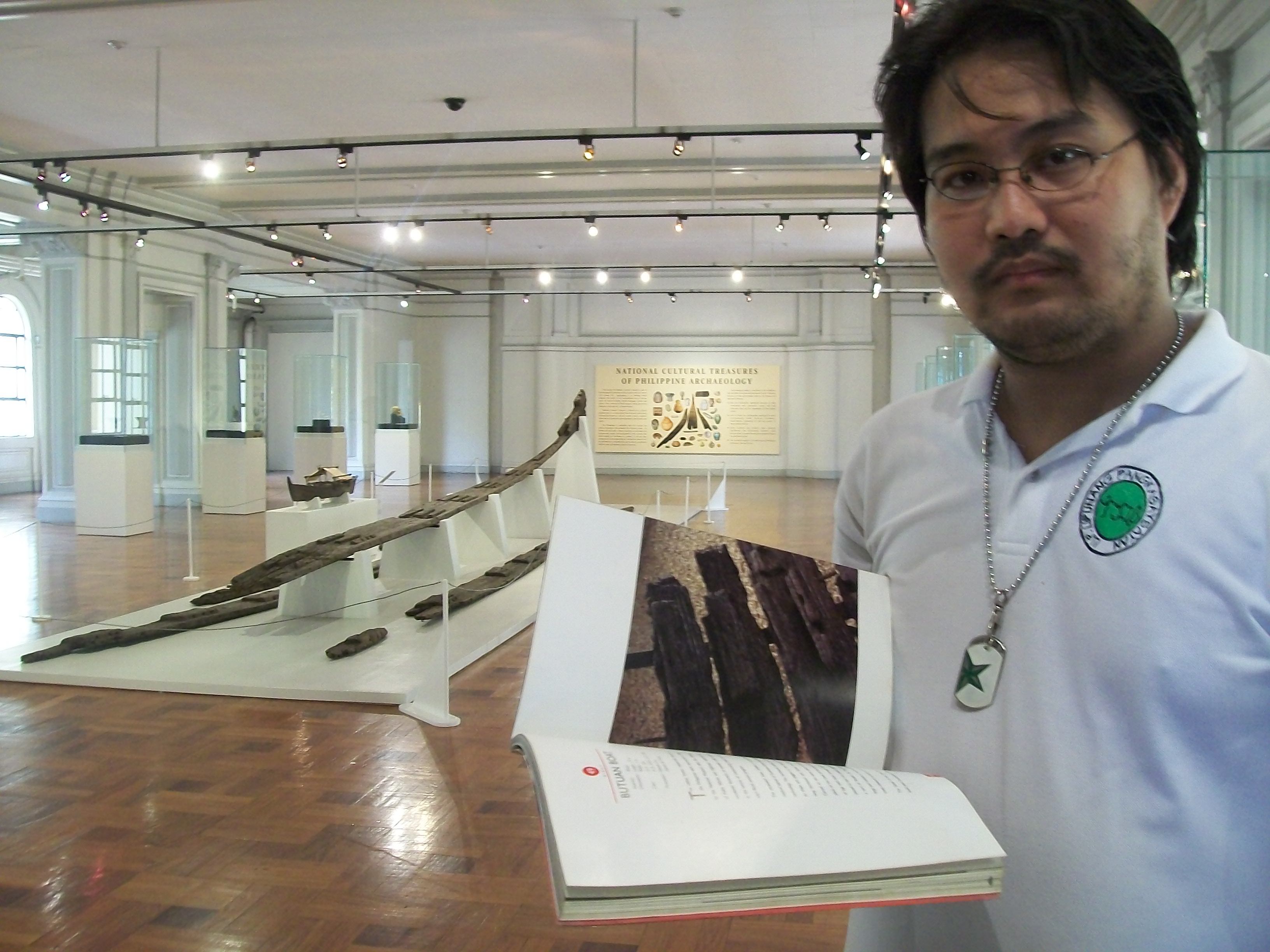
Xiao Chua with the balanghay Butuan 1, evidence of early boat making and sophisticated maritime culture by ancient Filipinos as early as third century AD found in Butuan City.

The Manunggul Jar shows that our maritime culture is so paramount to us that it reflected our ancestor’s religious beliefs.  Many epics around the Philippines would tell us of how souls go to the next life aboard boats, passing through the rivers and seas.  The belief is very much connected with the Austronesia belief in the anito.  Our ancestors believed that man is composed of the body, the life force called the ginhawa, and the kaluluwa.  The kaluluwa, after death, can return to earth to exist in nature to guide their descendants.[9]  This explains why the design of the cover of the Manunggul Jar features three faces, those of the soul, of the boat driver, and of the boat itself.  For them, even things from nature have souls, have lives of their own.  That’s why our ancestors respected nature more than those who thought that it can be used for the ends of man.
Three faces…

Seeing the Manunggul Jar, I’m reminded not only of the craftsmanship of the early Filipinos, but also of our ancestor’s greatness and of their concept of kaluluwa—those who have it have mabuting kalooban and are merciful.  The kaluluwa gives life, mind and will to a person.[10]  If this was what our ancestors valued, then our nation is not only great, we are also compassionate.
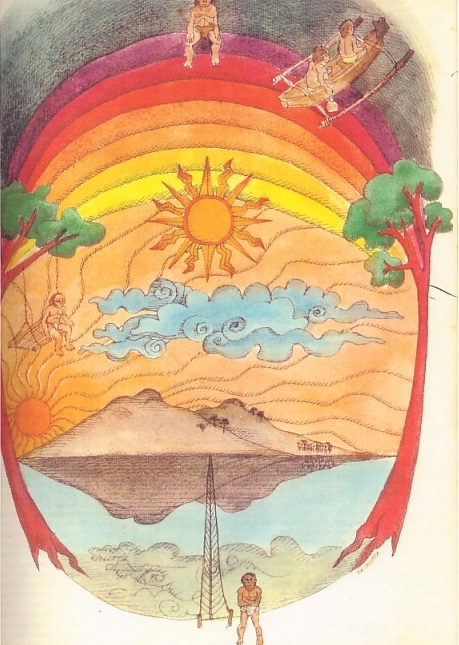
Illustration of the worldview and belief in the afterlife of early Filipinos in Palawan. Photo from the Dante Ambrosio-Xiao Chua Archives.

Although our colonial masters in the past told us we are no good and tried to erase our ancestors’ legacies and values, and despite the media today showing how shameful, miserable and poor our country is, from time to time there would be people who echo the same values that our ancestors lived by.  In the 1890s, the Katipunan movement of Andres Bonifacio which spearheaded the Philippine Revolution also tried to revive the values of magandang kalooban.[11]  During the People Power Uprising of 1986, we showed the world the values of Pananampalataya, Pakikipagkapwa, Pakikiramay, Pagiging Masiyahin, Bayanihan, Pagiging Mapayapa, and Pagiging Malikhain which are deeply rooted in our culture.[12]  It was our national hero José Rizal who once said, in his essay Filipinas Dentro de Cien Años (The Philippines Within a Century):

“With the new men that will spring from her bosom and the remembrance of the past, she will perhaps enter openly the wide road of progress and all will work jointly to strengthen the mother country at home as well as abroad with the same enthusiasm with which a young man returns to cultivate his father’s farmland so long devastated and abandons due to the negligence of those who had alienated it.  And free once more, like the bird that leaves his cage, like the flower that returns to the open air, they will discover their good old qualities which they are losing little by little and again become lovers of peace, gay, lively, smiling, hospitable, and fearless.”[13]

The Manunggul Jar is a symbol of the NationalMuseum’s important role in spearheading the preservation the cultural heritage—pamana—using multi-disciplinary techniques.  It is a testament of how art can be a vessel of history and culture with the help of scholars.  In this light, a simple jar becomes the embodiment of our experience and aspirations as a people and how we must look at ourselves—Maka-Diyos, Makakalikasan, Makatao at Makabansa. [14]
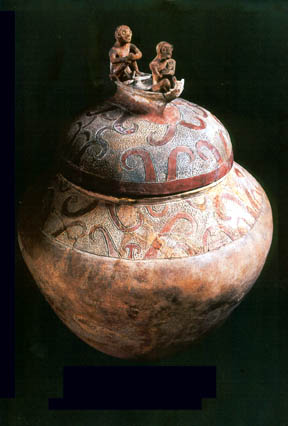
I have visited the Manunggul Jar numerous times since that April day in 1995 at the Kaban ng Lahi room of the National Museum II—The Museum of the Filipino People (former Department of Finance Building) where it has been moved since my first visit and everytime I look at it I am reminded of how great and compassionate my nation is and how I could never be ashamed of being a Filipino. Everytime I look at the Manunggul Jar, I see a vision that’s hopeful that a new generation of Filipinos will once more take the ancient balanghay as a people and be horizon seekers once again.[15]

Palm Sunday, 1 April 2007, 05:00 PM

#2046 FacultyCenter, Bulwagang Rizal,

UP Diliman, Quezon City

SOURCES CITED:

Abrera, Bernadette Lorenzo.  “Ang Sandugo sa Katipunan,” in Ferdinand C. Llanes, ed, Katipunan:  Isang Pambansang Kilusan.  Quezon City:  Trinitas Publishing, Inc., 1994, p. 93-104.

ADHIKA ng Pilipinas, Inc.  Kasaysayang Bayan:  Sampung Aralin sa Kasaysayang Pilipino.  Manila:  National Historical Institute, 2001.

Bautista, AngelP.Tabon Cave Complex.  Manila:  NationalMuseum, 2004.

Bellwood, Peter.  “Hypothesis for Austronesian Origins,” Asian Perspectives, XXVI, 1984-85, pp. 107-117.

__________.  “The Batanes Archaeological Project, and the CurrentState of the ‘Out of Taiwan’ Debate with Respect to Neolithic and Austronesian Language Dispersal.”  Lecture delivered among the faculty of the UP Department of History, Palma Hall 109, UP Diliman, 28 March 2006.

Covar, Prospero R.  Kaalamang Bayang Dalumat ng Pagkataong Pilipino (Lekturang Propesoryal bilang tagapaghawak ng Kaalamang Bayang Pag-aaral sa taong 1992, Departamento ng Antropolohiya, Dalubhasaan ng Agham Panlipunan at Pilosopiya, Unibersidad ng Pilipinas.  Binigkas sa Bulwagang Rizal, UP Diliman, Lungsod Quezon, Ika-3 ng Marso, 1993).

EDSA 2000:  Landas ng Pagbabago, a documentary of the People Power Commission, narrated by Vicky Morales and Teddy Benigno, directed by Maria Montelibano, broadcast date:  February 2000 at NBN-4 and ABS-CBN 2.

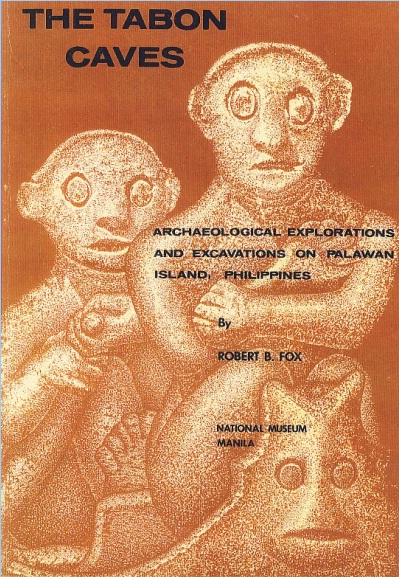
Fox, Robert B. The Tabon Caves:  Archaeological Explorations and Excavations on Palawan Island, Philippines.  Manila:  NationalMuseum, 1970.

Maceda, Teresita Gimenez.  “The Katipunan Discourse on Kaginhawahan:  Vision and Configuration of a Just and Free Society,” in Kasarinlan:  A Philippine Quarterly of Third World Studies, 14, Num. 2, 1998, pp. 77-94.

Quibuyen, Floro C.  A Nation Aborted:  Rizal, American Hegemony and Philippine Nationalism.  Quezon City:  Ateneo de Manila U. P., 1999, p. 215-216.

“Rules and Regulations Implementing Republic Act No. 8491, series of 1998, The Code of the National Flag, Anthem, Motto, Coat-of-Arms and Other Heraldic Items and Devices of the Philippines” in The Flag and Heraldic Code of the Philippines illustrated (Manila:  National Historical Institute, 2006).

Salazar, Zeus A.  “Ang Kamalayan at Kaluluwa:  Isang Paglilinaw ng Ilang Konsepto sa Kinagisnang Sikolohiya” in Rogelia Pe-Pua, ed., Sikolohiyang Pilipino:  Teorya, Metodo at Gamit.  Quezon City:  Surian ng Sikolohiyang Pilipino, 1982) pp. 83-92.

Scott, William Henry. Filipinos in China Before 1500.  Maynila:  China Studies Program, De La Salle University, 1989.

Solheim, Wilhelm II, G.  “The Nusantao Hypothesis:  The Origins and Spread of Austronesia Speakers,” Asian Perspectives XXVI, 1984-85, pp. 77-78.

Valdes, Cynthia Ongpin.  Archaeology in the Philippines, the National Museum and an Emergent Filipino Nation.  Online, internet.  Available URL:  http://homepages.uni-tuebingen.de/alfred.pawlik/Solheim/philippine_archaeology.html.


[1]               First submitted as a reaction paper for Dr. Maria Mangahas’ Anthropology 219 (Special Problems in Museology) class for the second semester, 2006-2007 at the University of the Philippines at Diliman.  The author expresses deep gratitude to his former student, Ms. Patricia Janine A. Icatlo, who edited this paper.  Ms. Icatlo is a Film student at the University of the Philippines at Diliman, and also served as News Sectional Editor of the St. Claire School Junior Journal (St Claire School, West Ave., Quezon City), and Internal Associate Editor of Forum (Rogationist College, Silang, Cavite).

[2]               Cynthia Ongpin Valdes, Archaeology in the Philippines, the National Museum and an Emergent Filipino Nation (online, internet.  Available URL:  http://homepages.uni-tuebingen.de/alfred.pawlik/Solheim/philippine_archaeology.html).

[3]               Angel P. Bautista, Tabon Cave Complex (Manila:  National Museum, 2004), p. 49.

[4]               Robert B. Fox, The Tabon Caves:  Archaeological Explorations and Excavations on Palawan Island, Philippines (Manila:  National Museum, 1970), pp. 112-114.

[5]               Wilhelm G. Solheim, II, “The Nusantao Hypothesis:  The Origins and Spread of Austronesia Speakers,” Asian Perspectives XXVI, 1984-85, pp. 77-78; and Peter Bellwood, “Hypothesis for Austronesian Origins,” Asian Perspectives, XXVI, 1984-85, pp. 107-117.

[6]               ADHIKA ng Pilipinas, Inc., Kasaysayang Bayan:  Sampung Aralin sa Kasaysayang Pilipino (Manila:  National Historical Institute, 2001), pp. 25-32.

[7]               Peter Bellwood, “The Batanes Archaeological Project, and the CurrentState of the ‘Out of Taiwan’ Debate with Respect to Neolithic and Austronesian Language Dispersal.”  Lecture delivered among the faculty of the UP Department of History, Palma Hall 109, UP Diliman, 28 March 2006.

[8]               William Henry Scott, Filipinos in China Before 1500 (Maynila:  China Studies Program, De La Salle University, 1989), p.1.

[9]               Zeus A. Salazar, “Ang Kamalayan at Kaluluwa:  Isang Paglilinaw ng Ilang Konsepto sa Kinagisnang Sikolohiya” in Rogelia Pe-Pua, ed., Sikolohiyang Pilipino:  Teorya, Metodo at Gamit (Quezon City:  Surian ng Sikolohiyang Pilipino, 1982) pp. 83-92; and Prospero R. Covar, Kaalamang Bayang Dalumat ng Pagkataong Pilipino, p. 9-12 (Lekturang Propesoryal bilang tagapaghawak ng Kaalamang Bayang Pag-aaral sa taong 1992, Departamento ng Antropolohiya, Dalubhasaan ng Agham Panlipunan at Pilosopiya, Unibersidad ng Pilipinas.  Binigkas sa Bulwagang Rizal, UP Diliman, Lungsod Quezon, Ika-3 ng Marso, 1993).

[10]             ADHIKA ng Pilipinas, pp. 81-92.

[11]             Bernadette Lorenzo-Abrera, “Ang Sandugo sa Katipunan,” in Ferdinand C. Llanes, ed, Katipunan:  Isang Pambansang Kilusan (Quezon City:  Trinitas Publishing, Inc., 1994), p. 93-104; and Teresita Gimenez-Maceda, “The Katipunan Discourse on Kaginhawahan:  Vision and Configuration of a Just and Free Society,” in Kasarinlan:  A Philippine Quarterly of Third World Studies, 14, Num. 2, 1998, pp. 77-94.

[12]             EDSA 2000:  Landas ng Pagbabago, a documentary of the People Power Commission, narrated by Vicky Morales and Teddy Benigno, directed by Maria Montelibano, broadcast date:  February 2000 at NBN-4 and ABS-CBN 2.

[13]             Translation cited in Floro C. Quibuyen, A Nation Aborted:  Rizal, American Hegemony and Philippine Nationalism (Quezon City:  Ateneo de Manila U. P., 1999), p. 215-216.

[14]             The motto of the Republic of the Philippines according to section 45, Artcle III of the Flag and Heraldic Code.  “Rules and Regulations Implementing Republic Act No. 8491, series of 1998, The Code of the National Flag, Anthem, Motto, Coat-of-Arms and Other Heraldic Items and Devices of the Philippines” sa The Flag and Heraldic Code of the Philippines illustrated (Manila:  National Historical Institute, 2006), p. 48.

[15]             My very last requirement in my course work for my MA History (before my penalty course) is dedicated with gratitude and affection to my mother Vilma and my father Charles—let no one stand up and say they didn’t raise me with love and honor, for their proud son praises the Lord for being brought forth in the world by them.